I'm not sure how to say this
...A dispatch from bewilderness

I debated over the title of this piece. It could have been “Brain balls”? I couldn’t decide, but here’s the story.
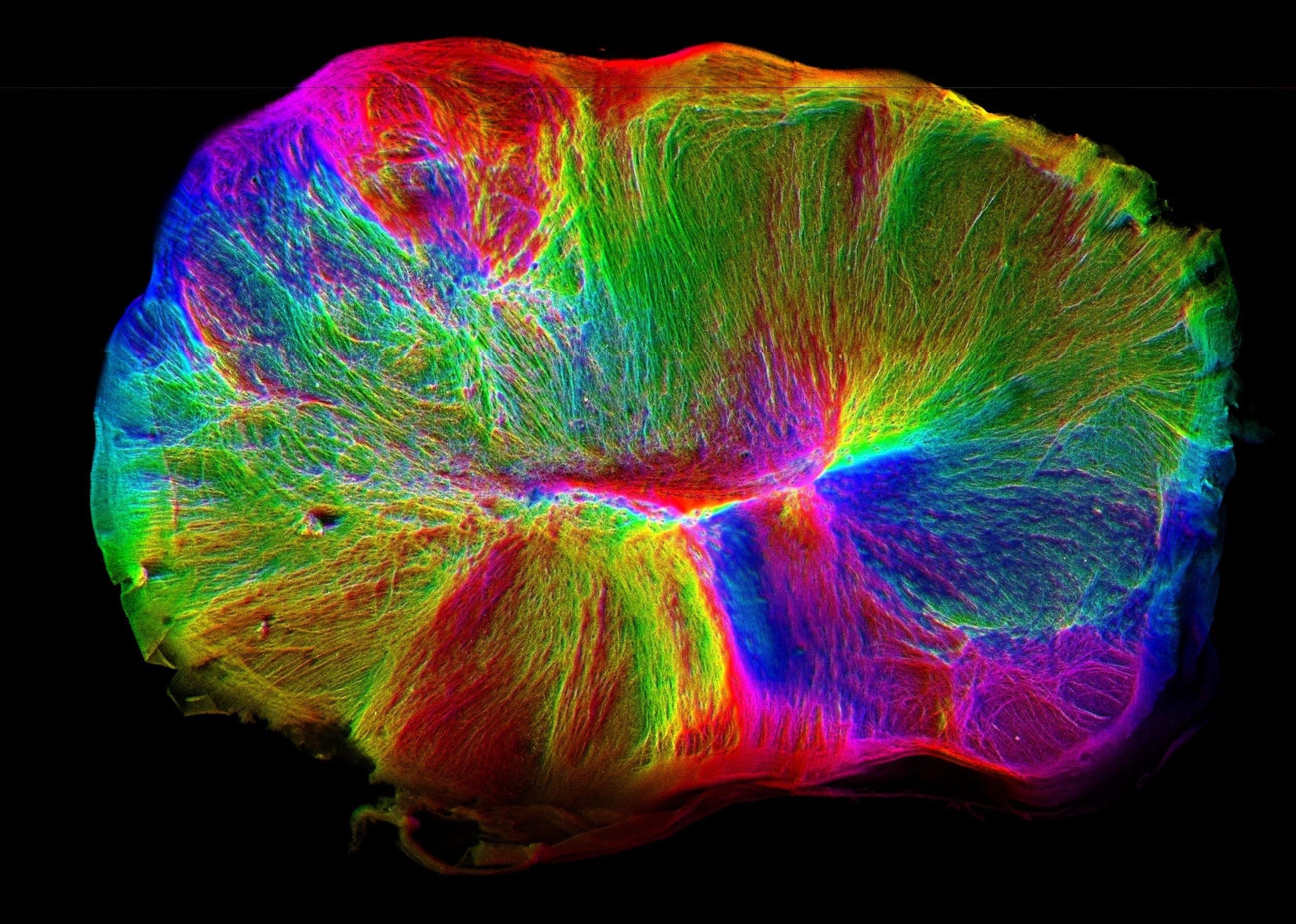
When neuroscientist Madeline Lancaster was a brand new postdoc accidentally stirring something in a lab, she noticed something weird. She watched the cells sort of eat, and then watched the blobs get bigger.
So “big” they became balls the size of peppercorns.
Madeline began tweaking her ball recipe, I mean her recipe for balls. I’m not really sure how to say this. And then one day, she saw an eye. One of the balls had grown or built or whatever — not sure how to put this either — an eye.
The stem cells she was trying to grow in a dish were building stuff on their own. They were building spinal cords, and then mini-brains. On their own. No instructions from Google, IKEA, or anyone else.
Meanwhile, other scientists all over the world were independently growing:
Intestinal organoids.
Lung organoids.
Liver organoids.
Muscle organoids.
Skin organoids.
Pancreas organoids. Stomach organoids. Heart organoids. Kidney organoids. And breast tissue organoids that actually produce milk.
Fact: it seems scientists can create an organoid version of any part of the human body.
Fyi, when balls communicate and connect with each other, they are called assembloids.
Within ten years, these mini human brain balls were both being implanted into animals — and playing video games. More specifically, about 800,000 neurons grown in a dish were playing a game called Pong. Debuted by Atari in 1972, Pong is played with a paddle and balls.
Why does this matter? Lab-grown mini-brains are now being used to study and treat human brain disorders — and to test drugs.
Pros and cons: Five-year-old mini-brains can now equal the brain of a five-year-old human. It might be time — or way past time — to consider ethics.
Thank you for restacking my work. Deep bow.
Thank you. I am deeply grateful to you for restacking my work.